Once in a while, one of the writers I coach will cite an American memoirist who said if people wanted you to write warmly about them, they should have behaved better.
Nothing wrong with that statement. It’s a catchy quote that supports truth-telling in memoirs.
Except.
Except when it’s used to justify careless, mean-spirited or defamatory claims against others who don’t have a chance to defend themselves.
Memoir writing calls for us to be truthful, yes. But I’d argue that it also calls for us to never carelessly harm others.
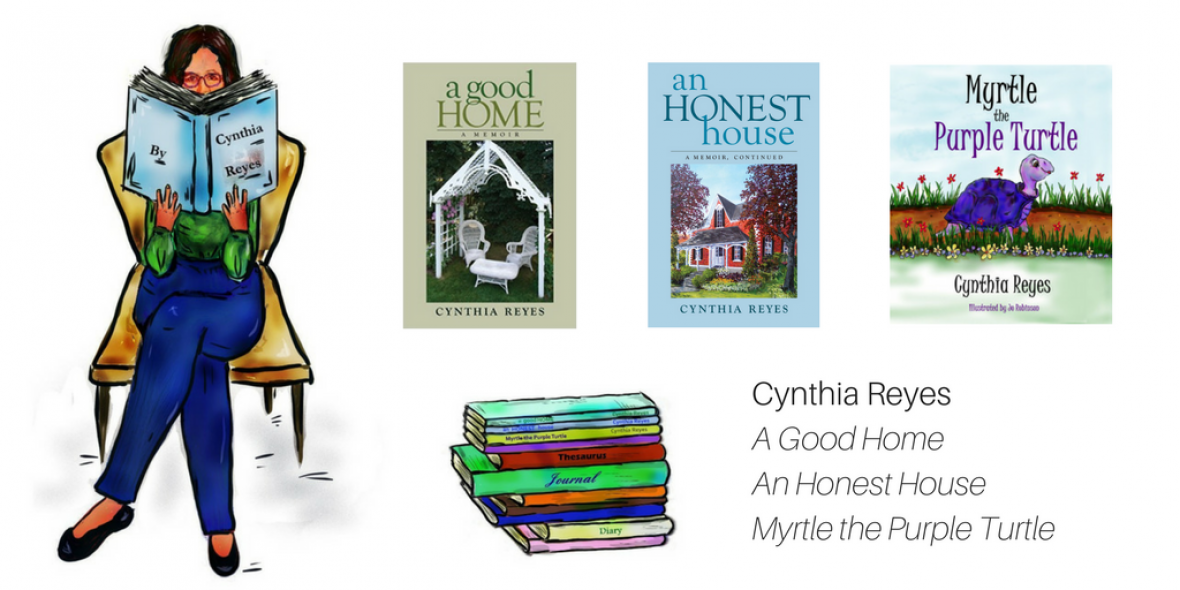
When I was a child, I thought my grandmother was a hateful person. And early in my first draft of A Good Home, I was merciless in how I described her. But later in that same first draft, I revealed a surprise: when I ran away from home as an adolescent, it was to her home that I returned, and we became best friends.
But the draft was long and I took out that chapter (and a few others) before asking my siblings to read the manuscript.
My sister read the manuscript and immediately reacted. “You left out all our grandmother’s good qualities,” she said.
And she was entirely right. I had done my grandmother a great disservice in that draft. Luckily, it was only a first draft.
~~~
Relationships sometimes end badly. When that happens, there’s usually blame on both sides, but the story we know best is our side. We feel wronged, deeply hurt. And no – we definitely don’t want to ask the other person to explain their behaviour. We’re too hurt, or it’s been too long. In some cases, it’s impossible because the person is now dead.
I was fortunate: I got to know and understand my grandmother’s actions better, and to experience a different side of her when I was older. I grew to love her dearly. That gave me the material needed to paint a more balanced picture of her. I believe my book ended up being more credible because of it.

Not everyone is that lucky. So, sooner or later, someone I’m coaching will write about someone who hurt them deeply. Now, they want to discuss whether or how it should be included in their memoir.
The first thing I will say is: Don’t hold back in your first draft. A critical reason is because writing a memoir helps us understand ourselves and sometimes others better. So let it all hang out in that first draft.
It’s the final draft – the one you will publish and send out into the world – that you need be concerned about.
First, there’s the question of basic fairness. Your written words give you power over others. Is what you have written about someone else fair? Wield your power fairly.
Second, there’s the potential for defamation. In many jurisdictions, you can’t be held legally responsible for defaming the dead. But you can be sued if the person is still alive and can prove that you damaged their reputation.
Third, there’s the question of unintended harm. What you write about someone who is now dead but may be easily identified by a reader could harm others you care about and didn’t want to hurt. That person’s children or other loved ones, for example. This doesn’t mean you should throw out everything you’ve written, but it does mean you should be aware of the potential risk of causing harm.
~~~
Our memories of our life experiences are uniquely ours and may be different from those of the other participants in those events. In other words, they’re your truth, as seen through your eyes, but they may not capture the entire truth – or even most of it.
Most memoirs now start with a disclaimer advising the reader that the book contains the author’s memories of events. Some authors may also change the names of certain people in the story, or find other ways to make them unrecognizable. These devices may provide some protection for the author. But before you publish, give a thought also to those whom you did not intend to harm. And to your own credibility as a writer.
My best wishes,
Cynthia.
Good advice, Cynthia, even as we live our daily lives. Truth but kindness make quite a duo.
Thank you, Judy.
Very wise advice for memoirists. It’s important to make a distinction between writer-based prose, when you’re writing for yourself, and reader-based prose, when your book ends up belonging to the world.
Yes. Thanks for reading this essay-post, Liz.
I do remember from your book that your grandmother was a very strong woman. I was slightly irritated when I read a memoir of a man who came to America from Germany on the same boat as my relatives in the early 1800’s, that he really didn’t mention much about other people, but I later realized he was only writing about his own experience. Other people’s stories were not his to tell.
Good point.
One can imagine what those people were thinking/feeling/doing but the obligation there is to make sure you indicate that you are imagining/surmising.
I agree, that good advice not only for memoir writers, but also for daily living.
You make a very good point, Lavinia.
Thank you.
Good advice, Cynthia. I am careful what I say about people, even in my personal journal.
That’s interesting, Curt. I remember when a friend was very ill, but had asked me to tell no-one. I was aching to tell my journal how worried I was for her, but couldn’t!
Kurt, I am no longer able to access your blog by clicking on your name.
Wise words … as ever.
Thanks, MT.
I agree. Kindness and a good perspective count. There are always many ways to write the same thing.
I hope you are well!
Thank you, Jeanne!
So very true Cynthia. Words can hurt in ways we may not have intended.