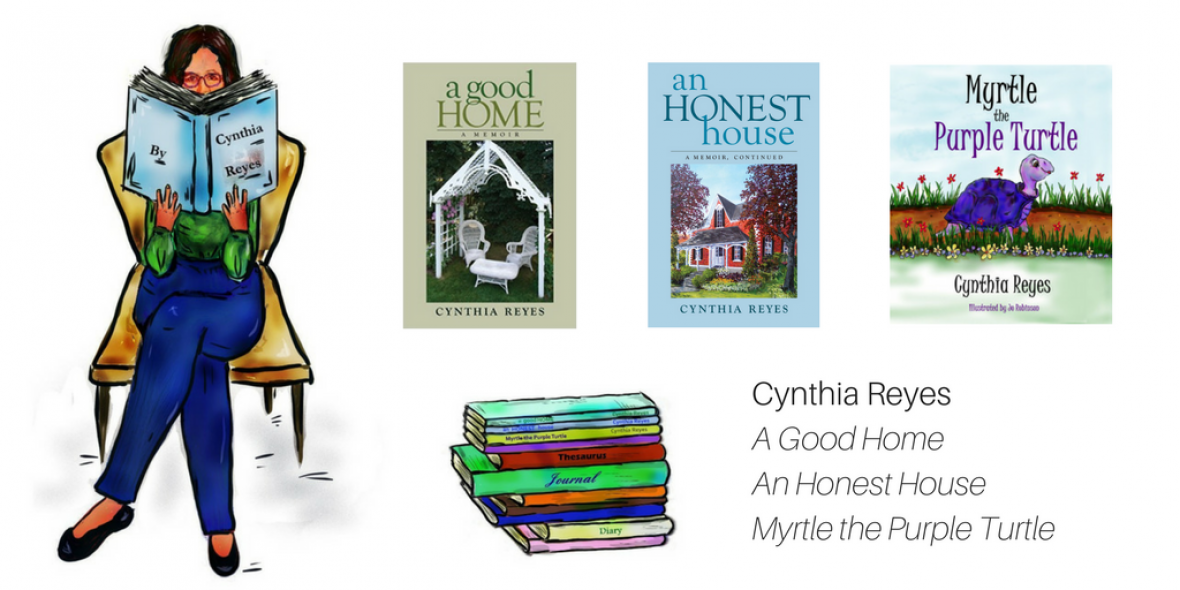
A Good Home

Imagination in Memoir Writing

Every so often, I come across a post from a writer who claims that one of the main differences between writing fiction and writing memoir is the use of imagination: fiction writers are unlimited in their use of imagination but memoir writers have to stick to the facts they remember.

Nonsense.

The use of imagination can lift a memoir from a retelling of events as remembered to storytelling at its best. Why?

Most people write a memoir long after the events they describe have passed. If you’re lucky, you may have a photo, a letter, a journal – something to help trigger memories. But most likely, what you have is a sketchy memory of what happened.

Most of the writers I work with are also writing their memoirs long after the people who played a key role in their lives have passed. Almost always, I hear:

“I wish I’d asked my father…”, or “I wish I’d thought to ask my mother…”

~~

Imagination can help us to fill in the blanks. It can help us to paint a picture in the reader’s mind, to flesh out a scene, and enhance our reader’s comprehension of what we’re trying to share.

A bit of imagination can enhance a fragment of memory. It can help you to surmise the season when an event took place, and even the occasion.

“I remember my mother walking down the front steps of our house. I don’t remember what month it was, but I figure it was deep winter because my mother wore her thick winter coat, the good one. The one she wore to church or some special occasion on a very cold day.”

Metaphors and Similes

The tiniest, easiest brushstrokes of imagination are metaphors and similes. They can also deliver big impact.

A simple metaphor can help you hear a sound: “His voice was crushed gravel.”

A simile can be more descriptive than a hundred words. “She was bent over as she walked, looking more like a 90 year old woman than the 50 year old she was.”

“As if”

One of the workshops I most enjoy facilitating is on the use of two words: ‘as if’.

“Write about a scene or feeling you experienced,” I tell the group. “Use the words ‘as if’ to help the reader understand what it was like.”

‘As if’ can be magical – taking both writer and reader into another dimension.

I share one or more examples:

“His insult hit me hard. It was as if he’d punched me in my gut.”

“The morning sun was so bright, it was as if everything around me had turned to gold.”

“My father hung up the phone without speaking but his face was crumpled, as if he had just received disastrous news.”

The next time someone says memoir-writing does not require imagination, don’t accept it. Meanwhile, enjoy using your imagination to bring your writing alive.

My best,

Cynthia.

A Good Home, An Honest House, Author Cynthia Reyes, Book Reviews, Books

An Honest House

Great thanks to Kevin Cooper for this fabulous review. I was so glad to read it!

A Good Home

The Second One

A second cake, a second book.

A second painting, a second dish.

Each brings its own kind of worry.

That you’ve let down the side somehow.

Missed something, screwed up something.

Put in curry when it should have been cumin.

Painted light blue where it should have been green.

Said hello again instead of letting things end at goodbye.

Then the fear that those who loved the first will hate the second. 

And your name will be mud, but none will look you in the eye and say so.

There’s only one thing to do, I know, because I’ve worried about many things.

Look your fear right in the eye, sit down somewhere comfortable, and laugh and laugh.

~~

Dedicated to Brenda and everyone else who’s ever created a second something.

Book Cover Promo - Coming Soon

A Good Home, An Honest House, Author Cynthia Reyes, Book Interviews, Books, Canadian life, Inspiration, PTSD

Up Close and Personal

I have good news to share: my second book comes out this spring.

I can hardly believe it.

When a radio interviewer asked me in 2014 about a second book, I told her I’d started a sequel to A Good Home but had run away from it. In the new book I had bravely/foolishly decided to confront what it’s like to live with PTSD – post traumatic stress disorder — and it terrified me.

I embarked on a gardening book instead. After all, I love gardening. But I hate PTSD!

~~

No-one pushed me to return to the book I’d dropped, but something happened that made me see that I had to face my monsters again — in writing.

My thanks to everyone who has encouraged and helped me along the way. In addition to family and close friends, I’ve had one doctor encouraging me to “Write!”; one therapist-researcher-writer who directly contributed to the book; two mentors, two editors, one publisher; one painter and one photographer; great beta readers and one discussion guide producer.

Book Cover AHH - Painting by S. MacKendrick
Cover painting by S. MacKendrick

I hope the book will inspire discussions – among families and friends; in book clubs and workplaces; among therapists, doctors and others. I imagine some will discuss what happens in a  family when one member is seriously incapacitated; some may talk about the nature of survival and faith; therapists and doctors may discuss the treatment of PTSD and Chronic Pain and why both are so hard to accept, especially by the people afflicted with them.

And I hope all readers will reflect on love and courage. Both are recurring topics in this book.  (And most of the courage isn’t mine, by the way.)

The Canada Council for the Arts recognized my writing with a small grant to pay for some of the expenses involved in writing a book like this. Thank you, Canada Council, for that vote of confidence. 

Above all, this book is an up-close and personal look at a much-changed life.  Some of it is painful, some parts hilarious, and some are both.  

The book – An Honest House – comes out in June. 

Book Cover Promo - Coming Soon